Women Police Magazine and the Evolving Identity of Modern Law Enforcement
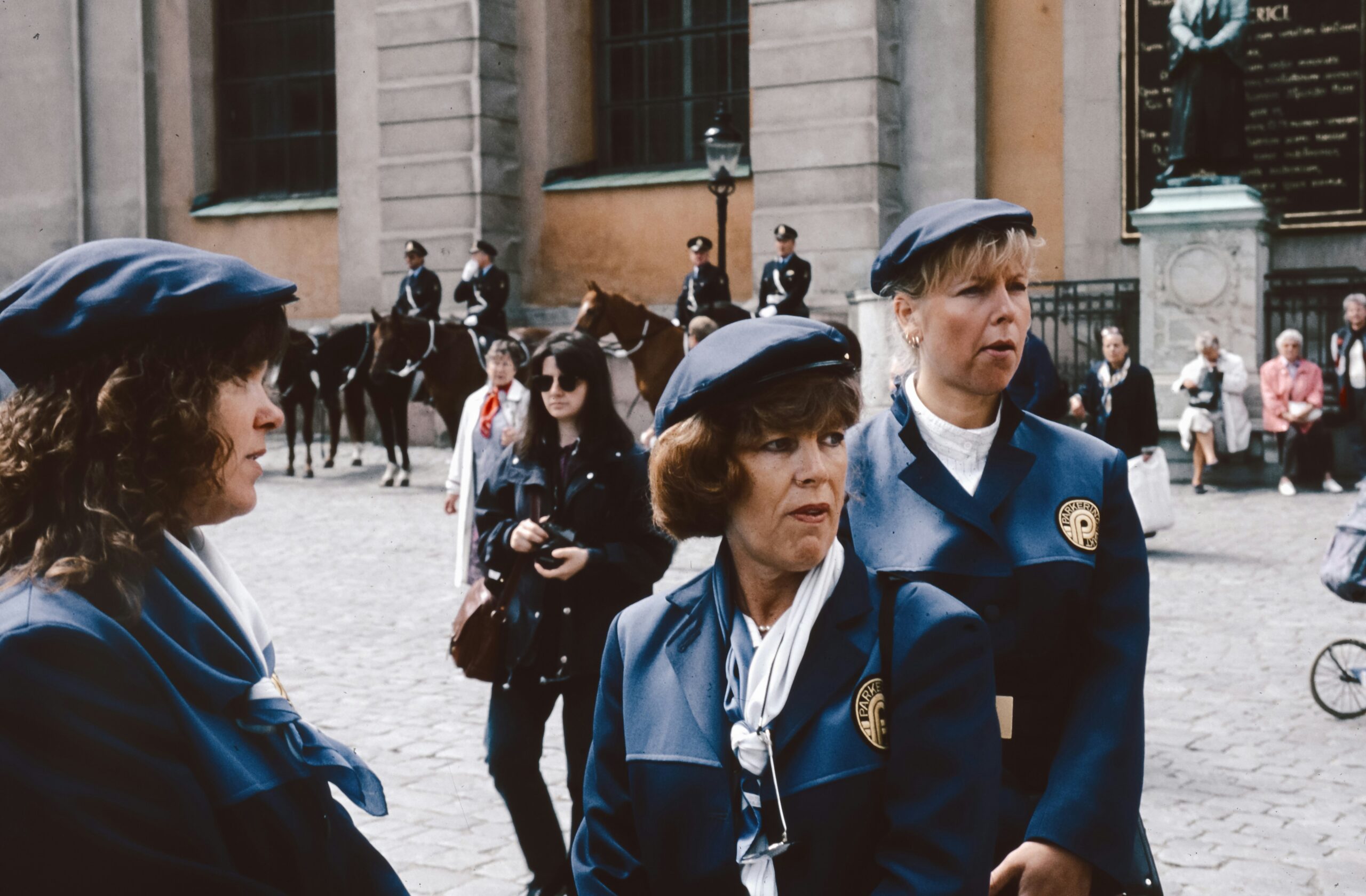
Modern policing has entered a period of significant transformation, shaped by social expectations, policy reforms, and evolving community needs. The traditional image of law enforcement as a rigid, male-dominated institution is steadily shifting toward a more inclusive and community-focused model. In this transition, representation matters more than ever, and media platforms have played a crucial role in shaping the public’s understanding of this change. Among these voices, Women Police Magazine has become a powerful contributor, highlighting stories that reflect courage, leadership, and resilience among female officers across the nation.
This changing narrative is not just about numbers or diversity statistics. It is about redefining what effective policing looks like in the twenty-first century. As communities demand accountability, empathy, and communication-driven approaches, the presence of women in policing brings new perspectives that strengthen the profession as a whole. The magazine captures these evolving dynamics by showcasing real stories of officers who are reshaping expectations through service, professionalism, and commitment.
Women Police Magazine as a Platform for Visibility
Women Police Magazine serves as more than just a publication. It serves as a platform for visibility, recognizing women whose contributions have historically been underrepresented in mainstream law enforcement coverage. By sharing in-depth features, interviews, and career journeys, the magazine amplifies voices that might otherwise go unheard. This visibility not only honors individual achievements but also encourages aspiring officers to see policing as an accessible and meaningful career path.
Through consistent storytelling, the magazine helps bridge the gap between public perception and on-the-ground realities. Readers gain insight into the challenges female officers face, including balancing demanding schedules, overcoming bias, and navigating high-pressure environments. At the same time, the publication highlights success stories that demonstrate resilience, leadership, and innovation. This balance creates a fuller, more authentic picture of modern policing and the women who are helping to shape it.
Breaking Stereotypes in Law Enforcement
Stereotypes about policing have long influenced how society views the profession, often reinforcing outdated assumptions about strength, leadership, and authority. Women in law enforcement have consistently challenged these stereotypes by proving that effectiveness in policing is not defined by gender but by skill, judgment, and dedication. Women Police Magazine plays an important role in documenting this shift by highlighting officers who excel in roles ranging from patrol and investigation to leadership and specialized units.
These stories matter because they reshape cultural understanding. When readers see female officers successfully leading crisis negotiations, managing complex investigations, or mentoring recruits, it dismantles long-held misconceptions. Over time, this visibility contributes to a broader cultural shift in which competence is prioritized over tradition. The magazine becomes a tool not only for storytelling but also for social change within the law enforcement community and beyond.
Training, Leadership, and Equal Opportunity
Training and professional development are central to modern policing, and equal access to these opportunities is essential for building a balanced workforce. Women Police Magazine frequently highlights programs and initiatives that support leadership development for female officers. These include specialized training programs, mentorship opportunities, and leadership pipelines that ensure organizations recognize and nurture talent regardless of gender.
Equal opportunity in policing is not simply a policy goal but a practical necessity for building stronger departments. When officers receive fair access to advancement and training, it leads to more effective teams and improved decision-making at every level. The magazine emphasizes stories of women who have risen through the ranks, demonstrating that structured support systems and institutional commitment can lead to meaningful change in leadership representation.
Community Trust and Modern Policing Values
Community trust has become one of the most important elements of effective policing. Modern law enforcement agencies are increasingly focused on building relationships rather than relying solely on enforcement. Women officers often play a key role in this shift due to their strengths in communication, empathy, and conflict de-escalation. Women Police Magazine highlights these contributions by showcasing officers who actively engage with communities and foster positive relationships.
These efforts are especially important in diverse and complex urban environments where trust can be fragile. By emphasizing collaboration and understanding, female officers help create safer and more cooperative communities. The magazine captures these dynamics through real-world stories that show how officers build trust through consistent engagement, transparency, and respectful communication with citizens.
Technology, Reform, and the Evolving Role of Officers
The role of police officers is rapidly evolving due to advancements in technology and ongoing reform efforts. From digital evidence gathering to predictive analytics, modern policing requires adaptability and continuous learning. Women Police Magazine explores how female officers are embracing these changes and contributing to innovation within their departments. Their involvement in technology-driven initiatives reflects a broader shift toward modernization in law enforcement.
At the same time, reform efforts are reshaping policies around accountability, mental health support, and community engagement. Women officers are often at the forefront of these changes, advocating for balanced approaches that prioritize both safety and fairness. The magazine highlights how this dual focus on innovation and reform is helping to create a more responsive and responsible policing system.
The Future of Policing Through an Inclusive Lens
The future of policing depends on inclusivity, adaptability, and a willingness to evolve with society’s expectations. As more women enter leadership and operational roles, law enforcement agencies are likely to become more balanced in their perspectives and approaches. Women Police Magazine continues to document this progression, offering insight into how inclusion strengthens the profession at every level.
Looking ahead, the integration of diverse voices will remain essential to building trust and effectiveness in policing. The magazine’s ongoing coverage ensures that these contributions are recognized and valued. Highlighting the experiences of women in law enforcement, it reinforces the idea that modern policing is defined not only by tradition but by its ability to grow, adapt, and serve communities with fairness and integrity.
Additional Information
- Blog
- Cindy Imperato