Women in Blue: How Female Police Officers Are Reshaping Modern Law Enforcement
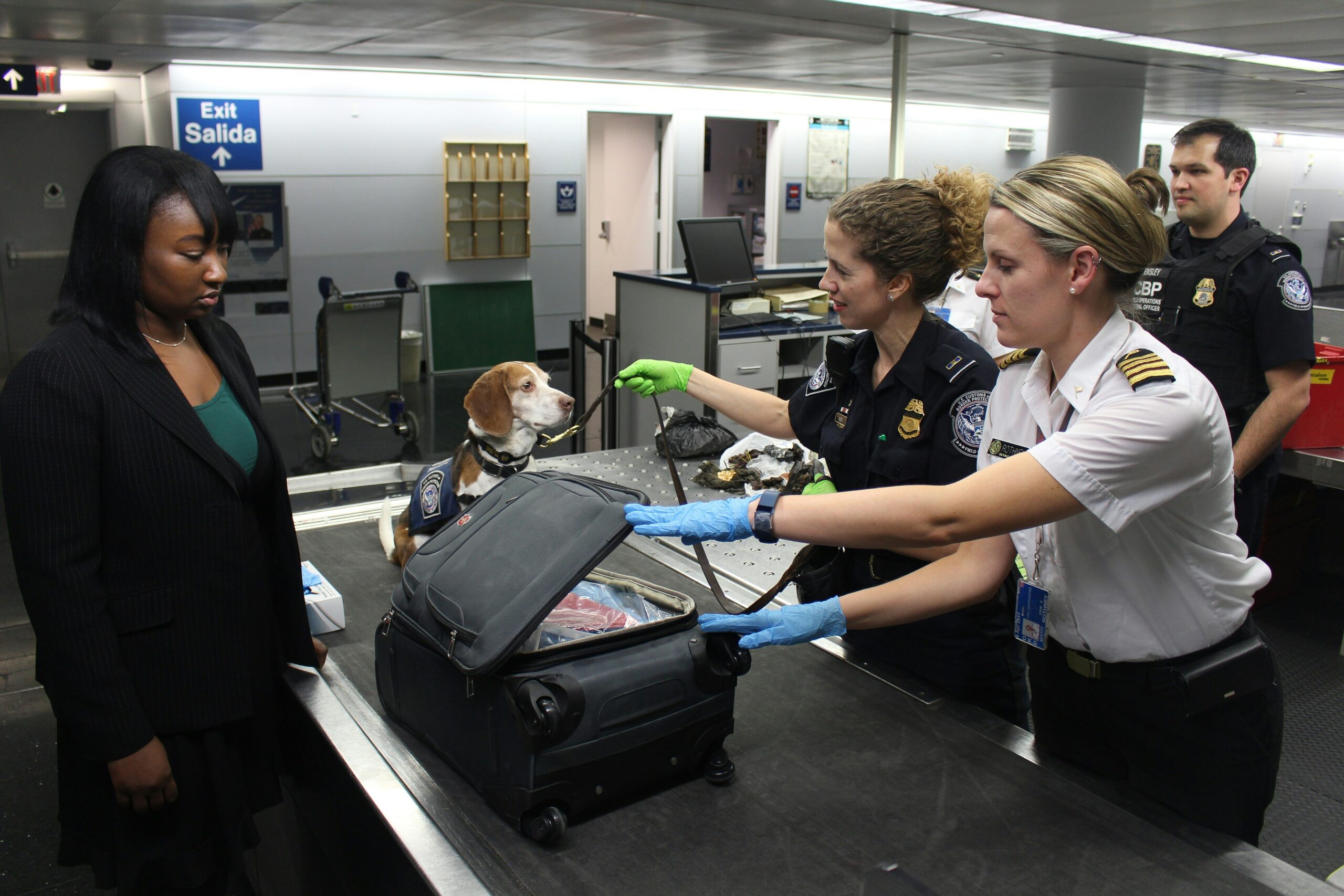
Women police officers are making a powerful impact across law enforcement agencies in the United States. From local police departments to federal agencies, women are stepping into leadership roles, strengthening community relationships, and challenging outdated stereotypes that once limited their opportunities. Their growing presence is helping law enforcement become more inclusive, balanced, and effective in addressing modern public safety concerns.
Although women have served in policing for more than a century, they have faced many barriers. Early female officers were often restricted to clerical duties or assignments involving women and children. Today, female officers patrol neighborhoods, lead tactical units, investigate major crimes, and manage departments. Their achievements reflect years of determination, policy changes, and increased public support for diversity in policing.
The Growing Role of Women in Law Enforcement
Women now represent a larger percentage of police officers than ever before. Many departments actively recruit female candidates because of the unique strengths they bring to policing. Studies have shown that female officers often excel at communication, conflict resolution, and de-escalation. These qualities are especially valuable in situations that require patience, empathy, and strong interpersonal skills.
The rise of women in policing is also encouraging young girls and women to consider careers in law enforcement. Seeing female officers in leadership positions helps break traditional gender stereotypes and sends a message that policing is a profession open to everyone. As more women join the field, departments are becoming increasingly representative of the communities they serve.
Breaking Longstanding Gender Barriers
For many years, women in law enforcement faced discrimination, unequal treatment, and limited advancement opportunities. Some departments once believed women were not physically capable of handling the demands of police work. Others excluded women from specialized units or leadership positions. Despite these challenges, female officers continued to prove their abilities through hard work and professional excellence.
Today, many women are leading major police departments and federal agencies. Their success demonstrates that leadership in law enforcement depends on skill, judgment, and dedication rather than gender. Female officers continue to challenge outdated perceptions while opening doors for future generations of women who want to serve in public safety careers.
Stronger Community Relationships
Female officers often play a significant role in building trust between police departments and communities. Their communication skills and approachable nature can help reduce tension during difficult situations. Many community members feel more comfortable speaking with female officers, especially in cases involving domestic violence, sexual assault, or family disputes.
Improved community engagement benefits law enforcement agencies as a whole. When residents trust officers, they are more likely to cooperate during investigations and report crimes. Female officers contribute to this positive relationship by promoting professionalism, understanding, and compassion in their daily interactions with the public.
Leadership and Career Advancement
Women are increasingly earning promotions within police departments and taking on influential leadership roles. Female chiefs, captains, detectives, and supervisors are helping shape department policies and mentoring younger officers. Their leadership styles often emphasize teamwork, accountability, and community-focused policing strategies.
Despite this progress, women remain underrepresented in top law enforcement positions. Many departments continue working to create fair promotion systems and supportive workplace environments. Leadership development programs and mentorship opportunities are helping female officers gain the experience and confidence needed to advance in their careers.
Challenges Women Police Officers Still Face
Although conditions have improved, women in law enforcement still encounter several obstacles. Workplace discrimination, unequal treatment, and gender bias can continue to affect female officers in some departments. Balancing demanding work schedules with family responsibilities also presents challenges for many women in policing careers.
In addition, female officers sometimes face higher scrutiny than their male counterparts. They may feel constant pressure to prove themselves in physically and emotionally demanding situations. However, many women continue overcoming these challenges through resilience, professionalism, and strong support networks within the law enforcement community.
The Importance of Diversity in Policing
Diversity plays an essential role in modern policing. Police departments that include officers from different backgrounds often develop stronger cultural understanding and better communication with diverse communities. Women contribute valuable perspectives that can improve decision-making and problem-solving within law enforcement agencies.
A more inclusive police force can also improve workplace culture and reduce harmful stereotypes. Departments that support diversity often focus more on fairness, collaboration, and accountability. Encouraging more women to join law enforcement helps create agencies that better reflect the populations they protect and serve.
Training and Modern Policing Strategies
Modern law enforcement training increasingly emphasizes communication, de-escalation, and emotional intelligence. Many female officers naturally excel in these areas, helping departments adapt to changing public expectations. Their approach often aligns with modern policing strategies that prioritize prevention and community engagement over aggressive enforcement methods.
Technology and specialized training have also expanded opportunities for women in law enforcement. Female officers now work in cybercrime investigations, intelligence analysis, forensic science, crisis negotiation, and tactical response teams. These evolving roles show that policing requires a wide range of talents and expertise beyond physical strength alone.
Inspiring Future Generations
The achievements of female police officers are inspiring a new generation of women to pursue careers in public service. Schools, community programs, and law enforcement outreach initiatives often highlight the accomplishments of women in policing to encourage future recruits. Representation matters, and visible success stories help young women believe they can thrive in law enforcement careers.
Mentorship programs also play a critical role in supporting aspiring female officers. Experienced women in policing often guide younger recruits through training, career development, and workplace challenges. This support system helps strengthen confidence and creates a more welcoming environment for future generations entering the profession.
The Future of Women in Law Enforcement
The future of women in law enforcement looks promising as departments continue recognizing the value of diversity and inclusion. More agencies are implementing policies designed to recruit, retain, and promote female officers. Flexible work options, leadership training, and equal opportunity initiatives are helping create more supportive workplaces.
As public expectations of policing continue to evolve, women will likely play an even greater role in shaping the future of law enforcement. Their contributions are helping departments improve communication, strengthen community trust, and develop more effective policing strategies. By breaking barriers and leading with professionalism, women police officers are transforming law enforcement for the better.
Additional Information
- Blog
- community relationships, Leadership development programs, public expectations
- Cindy Imperato