Beyond the Badge: How Women Police Magazines Celebrate Leadership and Progress in Law Enforcement
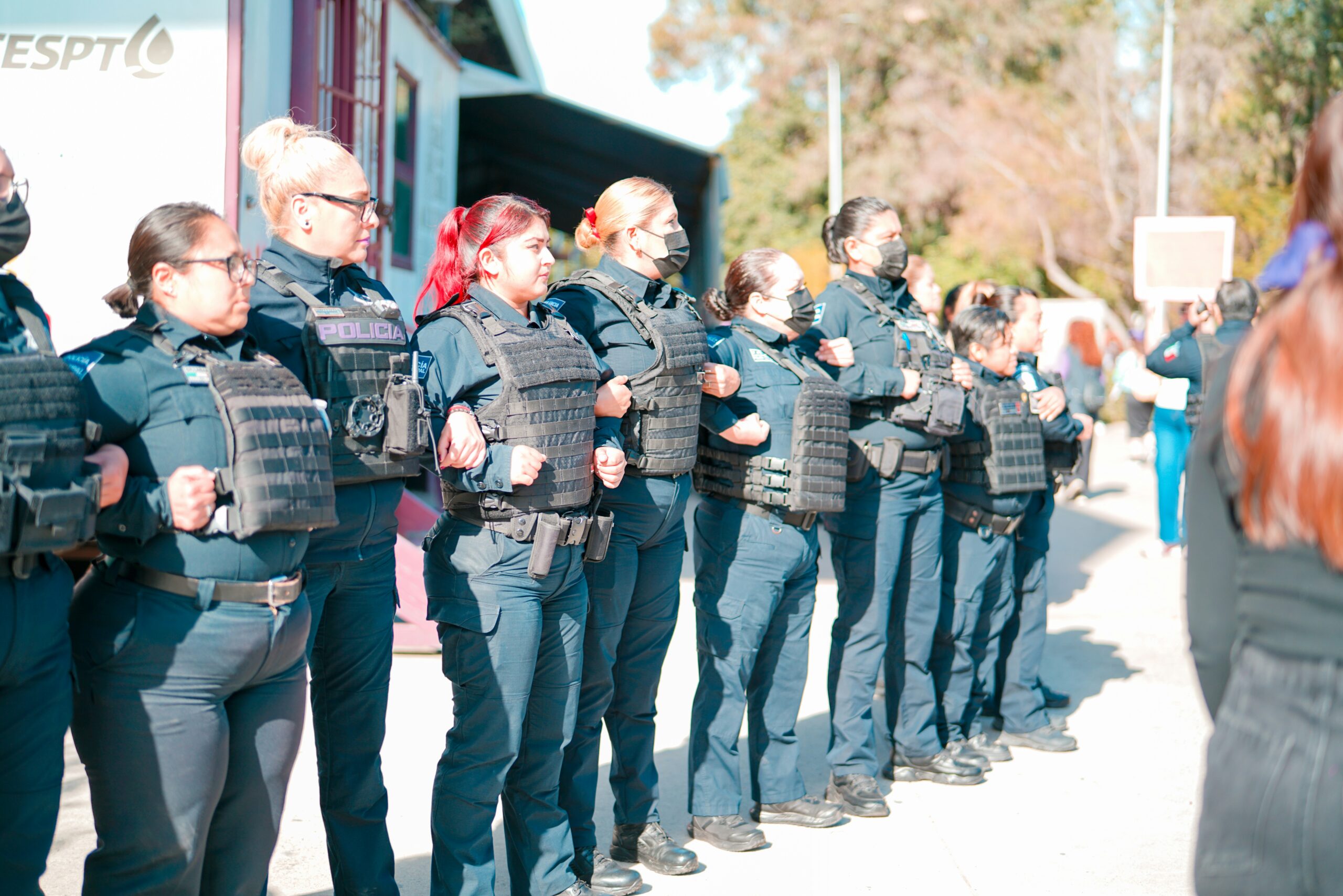
Women in law enforcement continue to reshape public safety through leadership, innovation, and dedication. As more women enter policing careers and advance into senior positions, specialized publications play an essential role in recognizing their accomplishments and sharing their stories. A women police magazines serves as a valuable platform that highlights achievements, promotes professional development, and inspires future generations to pursue careers in law enforcement.
These publications do more than report news. They create a space where female officers, investigators, supervisors, and public safety professionals can connect through shared experiences and celebrate the impact of women across every area of policing.
The Growing Influence of Women in Law Enforcement
Over the past several decades, women have become an increasingly important part of law enforcement agencies. They serve in patrol divisions, criminal investigations, forensic units, cybercrime teams, emergency response groups, and executive leadership positions.
Despite ongoing progress, women in policing have often faced challenges related to representation, career advancement, and workplace culture. Women police magazines help address these issues by showcasing success stories and demonstrating the value that female officers bring to their communities.
By featuring accomplished professionals and emerging leaders, these publications encourage more women to explore careers in public safety while reinforcing the importance of diversity within law enforcement organizations.
Why Women Police Magazines Matter
A woman’s police magazine provides visibility for individuals whose contributions may otherwise go unnoticed. Recognition is essential in a demanding profession where officers regularly work under pressure and face complex responsibilities.
These publications highlight achievements in community engagement, crime prevention, leadership development, and specialized operations. They also offer readers practical insights into career growth, education opportunities, and evolving policing strategies.
By sharing real experiences, women police magazines foster a stronger sense of connection among professionals working in different agencies and regions. This exchange of knowledge helps build a more supportive and inclusive law enforcement community.
Showcasing Leadership and Career Success
One of the most important functions of a women’s police magazine is recognizing leadership at every level. Articles often feature officers who have broken barriers, introduced innovative programs, or led successful public safety initiatives.
Profiles of police chiefs, detectives, training officers, and community outreach coordinators demonstrate the wide range of opportunities available within law enforcement. These stories illustrate that leadership is not limited to rank alone. Officers who mentor colleagues, strengthen community relationships, and improve departmental practices also make a lasting impact.
By highlighting these accomplishments, magazines create role models for aspiring professionals and encourage agencies to support leadership development among women.
Supporting Recruitment and Retention
Recruiting and retaining qualified officers remains a priority for many law enforcement agencies. Women police magazines contribute to these efforts by presenting an authentic view of policing careers.
Readers gain insight into the daily responsibilities, challenges, and rewards of working in law enforcement. Personal stories from experienced officers help potential recruits understand the diverse career paths available within the profession.
Representation matters, especially for young women considering a future in public safety. Seeing successful female officers in leadership positions can inspire confidence and encourage more candidates to pursue careers in policing.
At the same time, these publications support retention by addressing topics such as work-life balance, mentorship, wellness, and career advancement. Access to relevant information and shared experiences helps professionals remain engaged and motivated throughout their careers.
Promoting Innovation and Professional Development
Modern policing continues to evolve in response to changing community needs and technological advancements. Women’s police magazines play an important role in keeping readers informed about new developments in the field.
Articles often explore subjects such as mental health awareness, de-escalation techniques, leadership training, digital investigations, and community-focused policing strategies. By sharing best practices and emerging trends, these publications help professionals expand their knowledge and enhance their skills.
Continuing education is essential for career growth, and magazines frequently highlight training opportunities, conferences, and certification programs that support professional development.
Building Stronger Community Connections
Trust between law enforcement agencies and the communities they serve is essential for effective policing. Women police magazines often feature stories that demonstrate how female officers strengthen these relationships through empathy, communication, and collaboration.
Many women in law enforcement lead community outreach programs, youth initiatives, and victim support services. Their work helps build meaningful connections that improve public confidence and encourage greater cooperation.
By sharing these stories, magazines emphasize the human side of policing and showcase the positive impact officers have beyond traditional enforcement responsibilities.
Inspiring the Next Generation of Officers
The future of law enforcement depends on attracting talented and dedicated professionals from diverse backgrounds. Women police magazines help inspire the next generation by highlighting real examples of perseverance, leadership, and service.
Young readers can see that opportunities exist across many areas of policing, from investigations and technology to crisis response and executive leadership. These success stories demonstrate that determination, education, and commitment can lead to meaningful and rewarding careers.
As more women enter the profession and assume leadership roles, their visibility will continue to influence positive change throughout law enforcement.
Women police magazines serve as powerful platforms for recognition, education, and inspiration. By celebrating achievements, sharing knowledge, and amplifying diverse voices, these publications contribute to a stronger and more inclusive future for law enforcement professionals and the communities they protect.