Women Police Magazine Showcasing Success in Law Enforcement
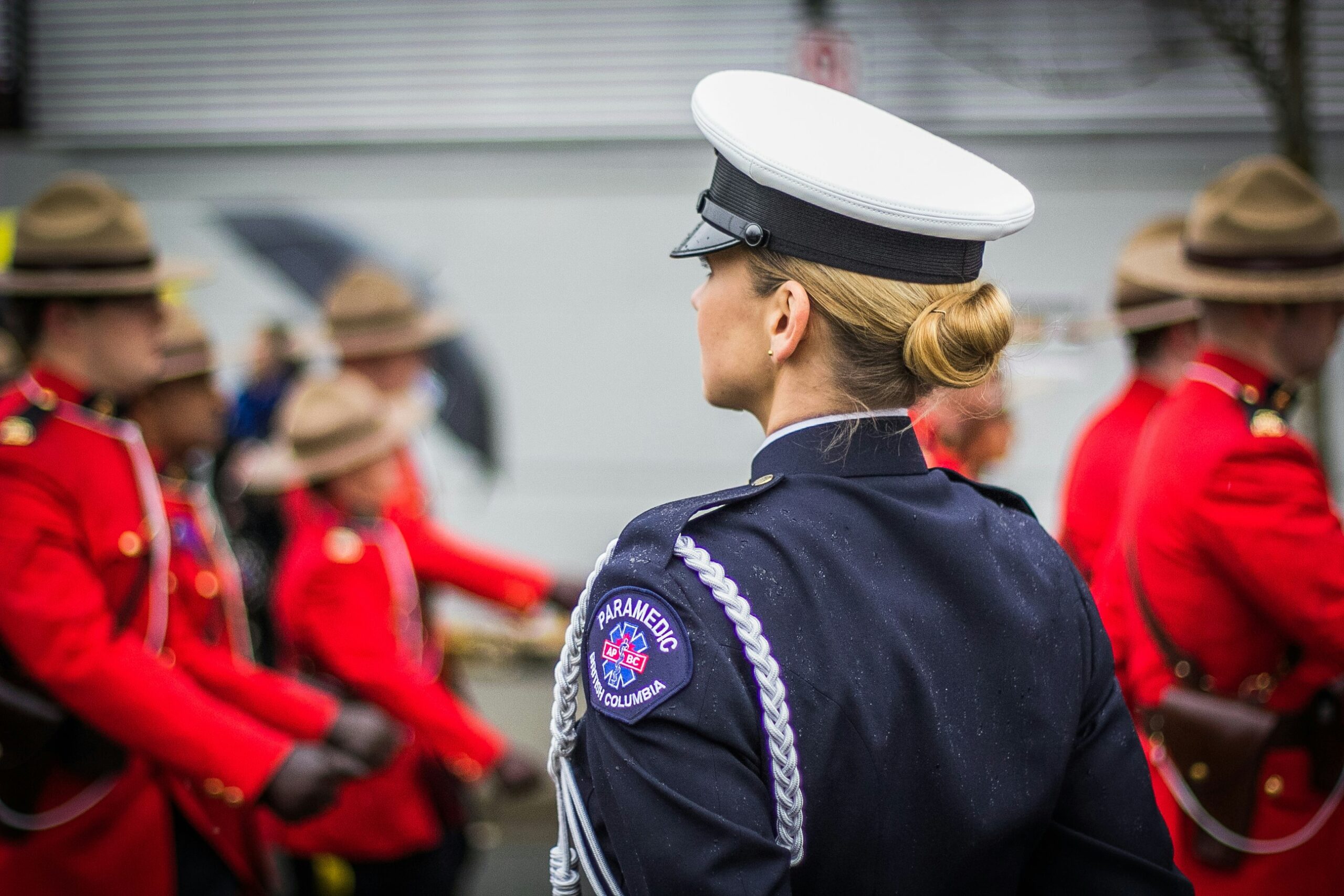
Modern law enforcement continues to evolve as departments adapt to changing social expectations, modern technology, and community needs. Strong representation now plays a central role in shaping how communities view public safety and the people who uphold it.
Through real-life experiences, in-depth interviews, and insightful narratives, Women Police Magazine showcases leadership, resilience, and innovation while inspiring future generations to pursue meaningful and impactful careers in law enforcement.
Breaking Barriers in Modern Policing
Women now play a vital and growing role in shaping law enforcement culture nationwide. They continue to break long-standing barriers by proving their capabilities through consistent performance, professionalism, and leadership.
Moreover, increased visibility creates momentum for long-term change. When readers encounter real stories of women succeeding in challenging roles, they begin to recognize the value of inclusion in policing. This shift encourages agencies to expand equal opportunity programs while also helping young women see law enforcement as a viable and rewarding career path.
Leadership That Inspires Change
Strong leadership remains a driving force behind progress in modern policing. Women in leadership positions often introduce perspectives that emphasize communication, empathy, and collaboration. These qualities strengthen internal team dynamics and improve relationships between law enforcement agencies and the communities they serve.
Experienced officers invest time in developing recruits, which creates a continuous cycle of learning and growth. As a result, departments benefit from a culture that values accountability, teamwork, and professional development. This type of leadership not only improves performance but also sets a positive example for future leaders.
Community Engagement and Trust Building
Trust remains one of the most important elements of effective law enforcement. Women officers often lead initiatives focused on communication, empathy, and understanding, helping bridge the gap between communities and police departments.
In addition, many community programs led by female officers prioritize youth engagement, education, and outreach. These initiatives create opportunities for meaningful interactions that build long-term relationships. As these connections grow stronger, communities begin to view law enforcement as a supportive presence rather than a distant authority. Over time, this shift contributes to safer neighborhoods and stronger community partnerships.
Mentorship and Future Generations
Mentorship plays a critical role in shaping the future of law enforcement while also supporting long-term career growth. Experienced officers provide guidance, support, and knowledge that help recruits navigate the challenges of the profession. Through this process, new officers gain the skills, confidence, and direction needed to advance in their careers and take on greater responsibilities over time.
Additionally, mentorship programs encourage more young women to consider careers in policing. When they see relatable role models who have succeeded in the field, they feel more confident in their own potential. This inspiration helps build a diverse and capable workforce that reflects the communities it serves.
Overcoming Challenges with Resilience
Every law enforcement professional faces challenges, yet women often navigate additional obstacles such as bias, underrepresentation, and high expectations. Despite these challenges, they consistently demonstrate resilience, adaptability, and determination. Their ability to remain focused and committed under pressure sets a powerful example for others in the field.
Furthermore, sharing these experiences is crucial to preparing future officers. When challenges are openly discussed, they become opportunities for learning and growth. Women Police Magazine provides a platform for sharing these stories, allowing others to gain insight and confidence. This openness helps create a supportive environment where officers can overcome difficulties and continue to excel in their careers.
Representation in Media and Storytelling
Media representation plays a significant role in shaping public perception of law enforcement. Positive and authentic storytelling highlights the real achievements and human experiences behind the badge. Through compelling content, Women Police Magazine provides readers with a deeper understanding of the dedication, sacrifice, and commitment required in policing.
At the same time, storytelling empowers officers to share their voices and perspectives. By presenting real-life experiences, the industry moves toward greater transparency and trust. This approach not only informs the public but also encourages meaningful conversations about progress, diversity, and the future of law enforcement. As more stories are shared, the narrative surrounding policing becomes more balanced and inclusive.
Building a Stronger and Inclusive Future
The future of law enforcement depends on inclusion, innovation, and collaboration. Women continue to contribute valuable insights that improve policies, practices, and community engagement strategies. Their involvement ensures that departments better reflect the diverse populations they serve, which leads to more effective and fair policing.
Looking ahead, continued recognition and support will be key to sustaining this progress. As more success stories emerge, the profession becomes increasingly accessible to individuals from all backgrounds. This ongoing evolution strengthens both public safety and organizational effectiveness.
Career Growth and Professional Development
Career advancement in law enforcement requires dedication, continuous learning, and access to the right opportunities. Women in policing increasingly pursue specialized training, certifications, and leadership programs that strengthen their skills and expand their career paths. These efforts enable them to move into influential roles where they can shape policies and improve operational strategies.
At the same time, professional development builds both confidence and competence. Officers who invest in their growth become more effective in handling complex situations and making critical decisions. This focus on development not only enhances individual performance but also contributes to departmental success. Over time, a strong commitment to growth ensures stability, innovation, and long-term progress within the field.
Additional Information
- Blog
- career growth, leadership programs, modern technology
- Cindy Imperato